Blog · SEO
How to write a YouTube title that gets found
By Tomás Castaño · November 10, 2026 · 7 min read
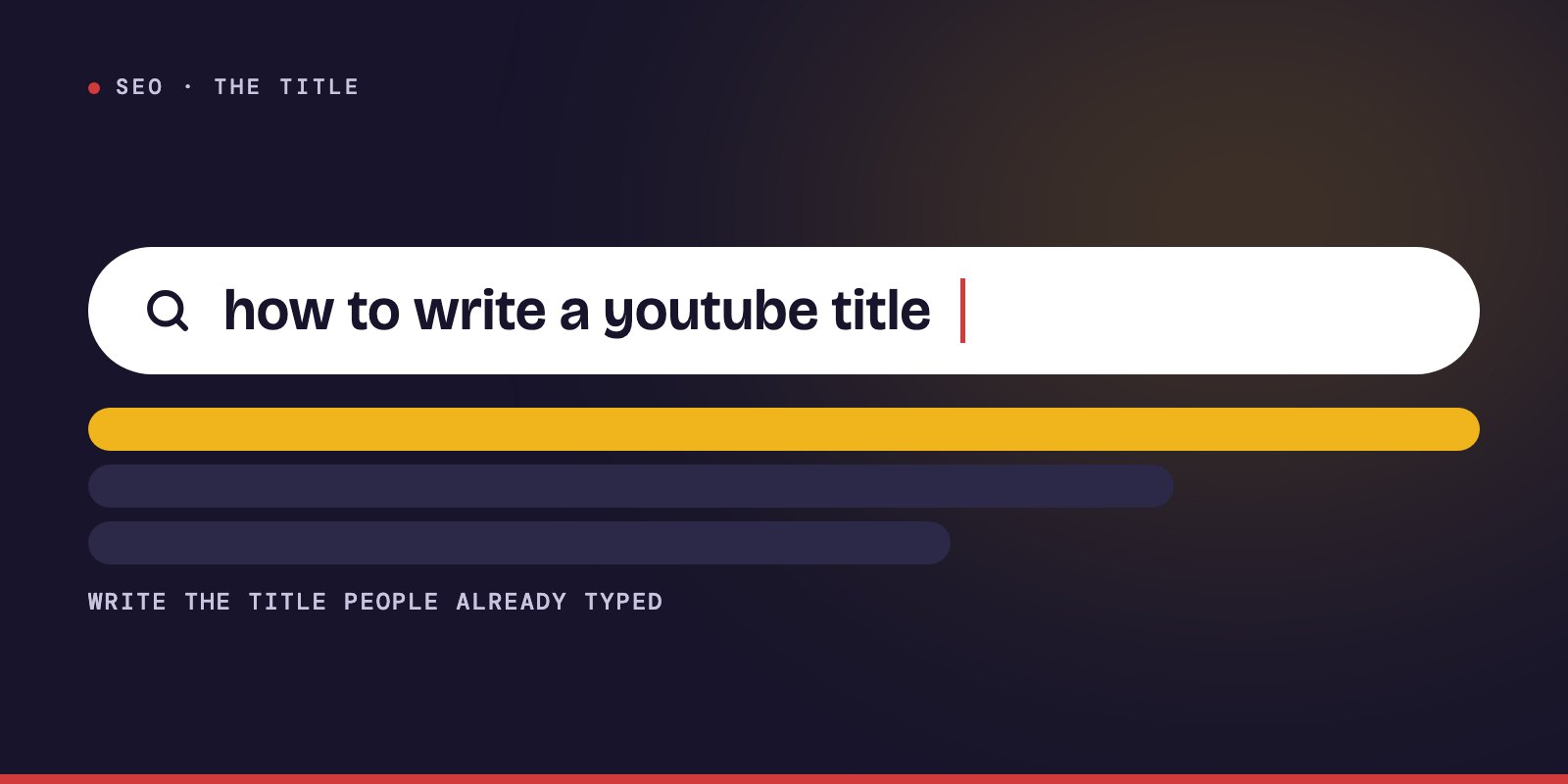
Write the title before you make the video. Find the exact words people type, phrase the title as their question or their problem, put the important words in the first 60 characters, and make sure the first thirty seconds of the video prove it. Then test two versions and keep the one people click.
Most titles are written at the end. The video is finished, exported, uploading, and someone types whatever comes to mind in the box before pressing publish.
I work the other way around. The title comes first, before a single cut, because the title is the answer to the only question that matters at that stage: who is this for, and what were they looking for when they found it?
Why the title comes before the video
A title is a promise, and the video is how you keep it.
If you write the promise last, you are describing what you happened to make. If you write it first, you are deciding what to make. That changes the edit. Once I know the title, I know which moment belongs in the first thirty seconds, which chapter is the center of the video and which tangents can go.
It is the same question behind a hook and behind an article: what is someone typing into the search bar today?
How to find what people are searching for
You do not need paid tools to start. The search bar tells you.
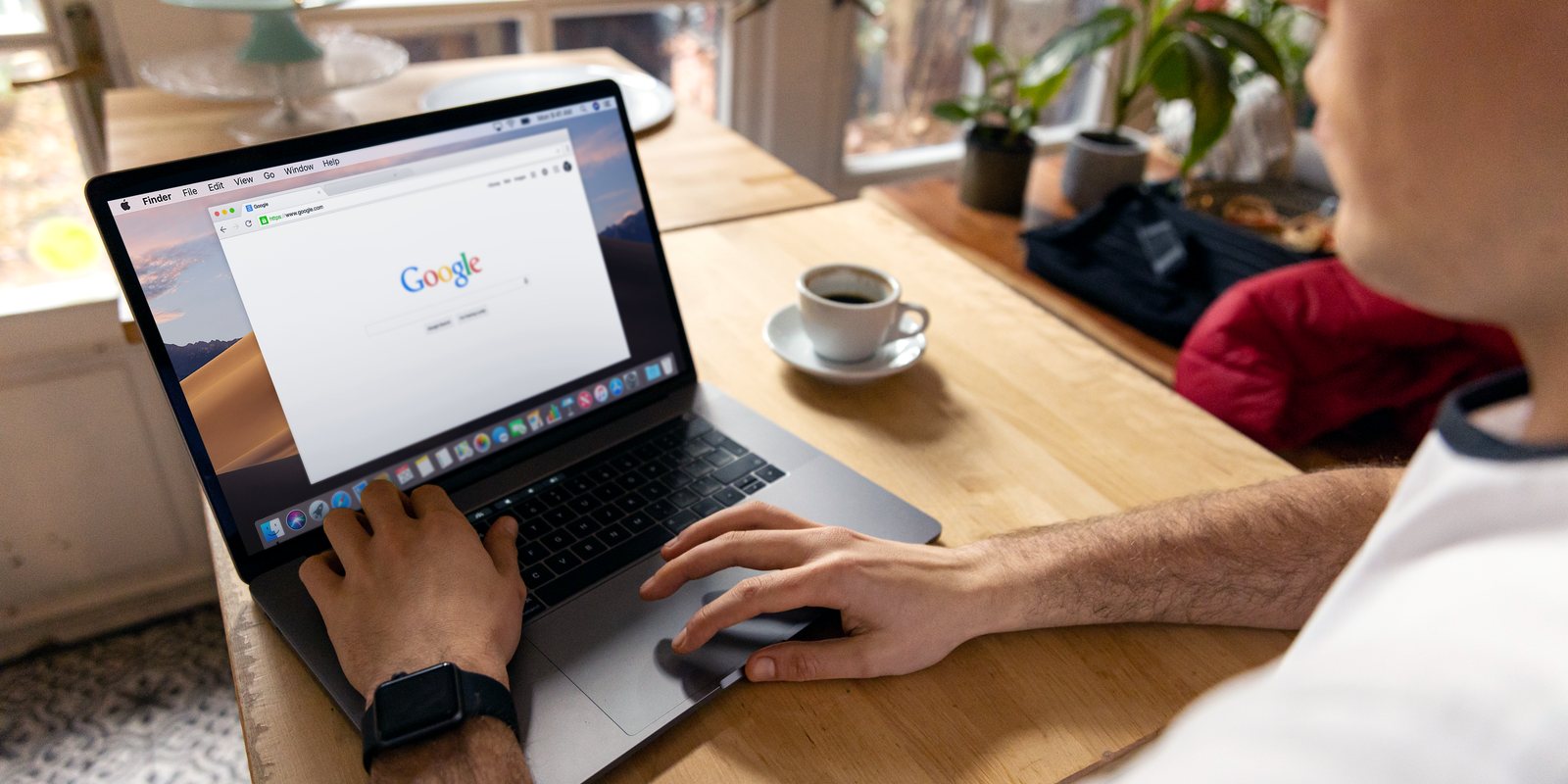
- Type the beginning of a question into YouTube or Google and read what it offers to complete. Google explains that its autocomplete predictions reflect real searches. It also warns that they are not a simple ranking of the most popular ones, so read them as evidence that people ask this, not as a measure of how many.
- Add a letter. "How to edit a podcast a," then "b," then "c." Each one opens another set.
- Read the "People also ask" box on Google. Every question there is a title somebody is waiting for.
- Look at the videos that already rank. Check how old they are and how many subscribers the channel has. An old video from a small channel with many views is a sign that the topic is wanted and poorly served.
- Check your own data. YouTube Studio shows the searches that bring people to you. Google Search Console does the same for a website.
That last one changed how I write. On my own site I can see the exact phrases people used. In its first ten weeks, 479 different searches led there, and I could read every one of them.
Write the title the way people ask
People do not search for "Thoughts on monetary policy." They search for "why are interest rates going up."
So the title uses their words, in their order. If the search is a question, the title can be the question. If it is a problem, the title names the problem. You are not being clever. You are being recognized. When someone scans a list of results, they click the one that sounds like what was in their head.
A few forms that keep working:
- The question: "How long does it take to edit a YouTube video?"
- The how-to: "How to make a good YouTube hook"
- The number with a reason: "One recording, 24 pieces: how to repurpose a podcast"
- The contradiction: "Why cutting every 3 seconds is bad advice"
How long should a YouTube title be?
YouTube allows 100 characters. It shows fewer than that: how many depends on the screen, and YouTube does not publish an exact cut-off. Most guides advise staying near 60, and that matches what I see on a phone.
So I write for the first 60. The words people searched for go at the front. Anything after that is a bonus for whoever sees it. If the most important word of your title is the last one, half your audience never reads it.
Search titles and curiosity titles
There are two ways a video gets found, and they ask for different titles.
Some viewers search. They type a question and choose from the results. For them the title should match the question as closely as it honestly can.
Other viewers are browsing. The video appears on their home screen next to twenty others, and they were not looking for anything. For them the title has to open a gap: something they did not know they wanted to know.
A channel needs both. The mistake is using a curiosity title for a search topic. "You won't believe what happened to rates" is invisible to the person who typed "why are interest rates going up."
The title and the thumbnail are one sentence
They appear together, so they should not repeat each other.
If the title says "How much does a video editor cost?" and the thumbnail says "How much does an editor cost?" you have used two spaces to say one thing. Let the title carry the search words and let the thumbnail carry the feeling or the number: "$150 or $1,500?"
Read them together, as one line. If the pair makes sense and makes you want the answer, it works.
Does YouTube SEO still depend on tags?
Much less than people think, and YouTube says so itself. Its help page on tags reads: "tags play a minimal role in your video's discovery". It names the title, the thumbnail and the description as the pieces that matter more.
What YouTube pays attention to is behavior: whether people click, and whether they stay. The title earns the click. The edit earns the stay. That is why I do not treat SEO and editing as separate jobs. A title that wins the click on a video that loses the viewer at second twenty is working against the channel.
The description still helps in a quiet way. Write the first two lines for a human, using the words from the title naturally, and put the chapters below. YouTube reads it, and so does Google.
Test it
Whatever you believe about titles, the audience gets the last word.
YouTube lets you test thumbnails against each other, and now titles as well, and shows you which one people chose. Before that feature existed, on the finance channels where I worked for six years, we tested by hand: change the thumbnail or the title, watch the numbers, keep the better one.
The habit matters more than the tool. Write five titles, not one. Pick the best two. Let the audience choose. Then look at what the winner had that the loser did not, and carry that into the next video.
What YouTube says about testing titles
YouTube's help pages explain how its A/B test for titles and thumbnails works, and one detail in them changed how I think about titles.
You can test up to three versions of a title and thumbnail on the same video, and the test usually finishes within about two weeks. The winner is not the version with the most clicks. It is the one that produced the most watch time. YouTube says it measures it that way on purpose, because a title should also help people avoid clicking on a video they will not enjoy.
Read that again if you write titles for a living. The platform is telling you that a title which wins the click and loses the viewer is counted as a loss.
Mistakes that cost views
- Writing for the algorithm. A title stuffed with keywords reads like spam, and people do not click spam.
- Promising what the video does not deliver. It works once. Then the viewers leave early, YouTube notices and the next video starts lower.
- Using your own vocabulary. The name you gave your framework means nothing to someone who has never seen you.
- Burying the subject. "My honest thoughts after six years of doing this, on hooks" hides the only word that would have been searched.
- Capital letters and three exclamation marks. They read as shouting, and they age badly.
Does this work outside YouTube?
It is the same on a website. I launched mine in August 2026 and built the articles around what people were already typing. In ten weeks Google showed those pages 11,360 times and 879 people clicked. That is 7.7 clicks for every hundred times it appeared.
Nothing there was a trick. Many of those titles were simply the question, and the article answered it.
What a good title does
It is easy to think of the title as packaging: the last thing you add, to make the video look good on the shelf.
I think of it as the first decision. It tells me who I am making this for, what they came for and what I owe them before they leave.
A title that only gets the click is a debt. A title the video keeps is the reason they come back.